🦚 Significance of Peacock in Indian Culture
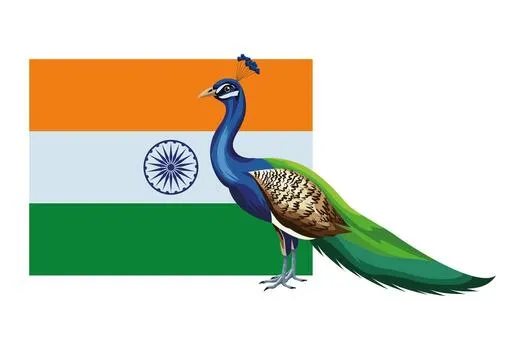
National Symbol
- Declared the National Bird of India in 1963.
- Represents grace, pride, and elegance in Indian tradition.
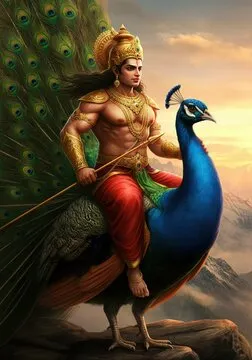
Mythological Significance
- Lord Kartikeya (Murugan/Skanda): Peacock is his divine mount, symbolizing valor and victory.
- Lord Krishna: Wears a peacock feather in his crown, representing love and beauty.
- Goddess Saraswati: Sometimes depicted with a peacock, symbolizing wisdom and the arts.
- Praised in Hindu texts like the Puranas and Mahabharata for divine elegance.
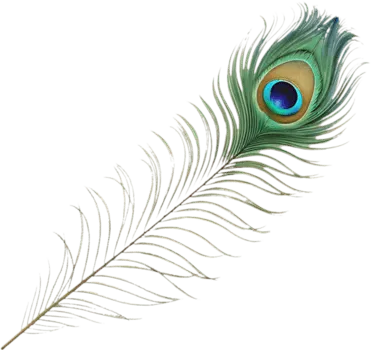
Symbolic Meanings
- Beauty & Spirituality: Feathers symbolize cosmic wholeness and awakening.
- Immortality & Renewal: Shedding and regrowing feathers linked to rebirth.
- Protection: Believed to ward off snakes and evil spirits.
- Pride & Prosperity: Associated with royalty and abundance.
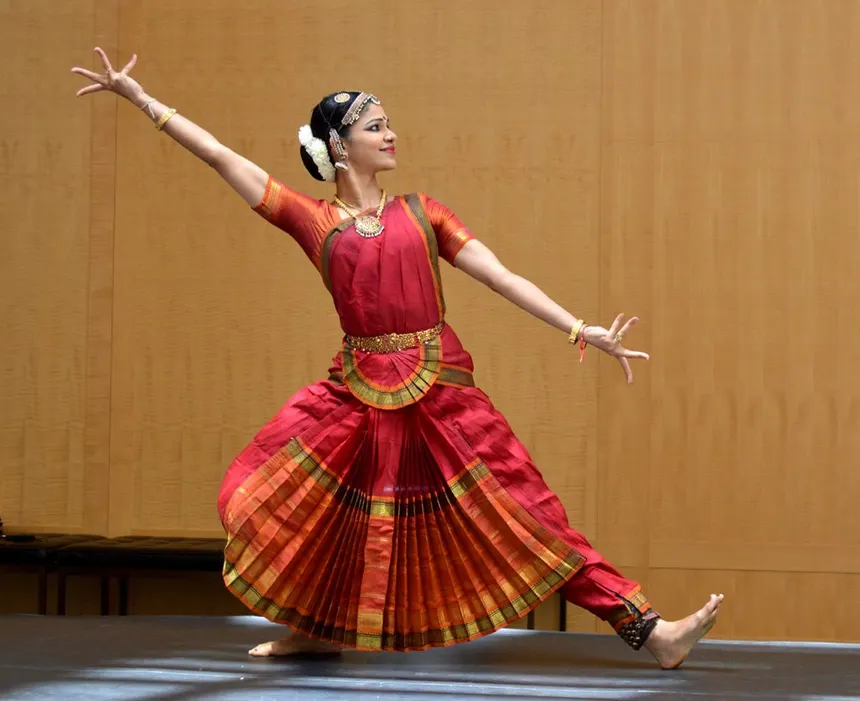
Art, Architecture & Festivals
- Peacock motifs in temple carvings and paintings.
- Classical dances like Bharatanatyam and Kathak mimic peacock movements.
- Celebrated during monsoon festivals as a symbol of joy and fertility.
Literature & Folklore
- In poetry, peacock’s call symbolizes longing and romance.
- Folktales portray it as a messenger of rain and love.